How often should a residential hedge be trimmed?
For most residential hedges in Gisborne, a trim every six to eight weeks during the active growing season keeps them neat and healthy. That season typically runs from early spring through to late autumn, so you are looking at three to four trims per year. But the exact frequency depends on the hedge species, its growth rate, the look you want, and the local climate.
Why regular trimming matters
A hedge is a living wall. Left alone, it becomes loose, leggy, and patchy at the base. Regular trimming encourages dense branching from the inside out, which gives a solid screen and a uniform shape. It also stops the hedge from shading its own lower leaves, which causes bare patches that are hard to fix later.
From a plant health perspective, trimming removes weak or diseased growth and improves airflow through the foliage. That reduces the risk of fungal infections and pest problems, especially in Gisborne's humid summer conditions.
Fast-growing species need more attention
If you have a fast-growing hedge like lilly pilly, pittosporum, or privet, it can put on 60 centimetres or more in a single season. These hedges benefit from a trim every four to six weeks from spring to autumn. That keeps them looking crisp and stops them from overtaking your garden or blocking windows and paths.
Moderate growers such as copper beech or camellia need trimming every six to eight weeks. Slow-growing hedges like box or yew can manage with two trims a year - one in early summer and one in late summer or early autumn.
The formal look versus the natural look
A tight, formal hedge with straight lines and sharp corners needs more frequent trimming than a relaxed, informal hedge. Formal hedges are usually shaped with a flat top and vertical sides. Any new growth breaks the line visibly, so you need to trim every four to six weeks during the growing season to maintain the geometry.
Informal hedges, where plants are allowed to flower and fruit naturally, can be trimmed once or twice a year. You prune them after flowering to keep the shape but let them keep a softer outline. That approach suits native hedges and flowering shrubs like fuchsia or escallonia.
Gisborne's climate and its effect on trimming schedules
Gisborne enjoys warm summers and mild winters, with plenty of sunshine and reliable rainfall. That gives a long growing season, often from September through to April or even May. Hedges here can grow for eight or nine months of the year, which means more trims are needed than in cooler regions.
In Gisborne, the main growing flush happens in spring and again in early autumn. A trim in late spring, after the first flush, and another in late summer or early autumn, before the weather cools, often keeps hedges in good shape. If you want a very tidy hedge, add a third trim in midsummer.
What happens if you trim too often or too little
Trimming too often can stress the hedge, especially if you cut back into old wood where few leaves remain. Hedges need enough leaf area to photosynthesise and store energy. Over-trimming weakens the plant and can cause dieback, particularly in older hedges.
Trimming too little lets the hedge become top-heavy and bare at the bottom. The lower branches get shaded out and stop producing leaves. Once a hedge is bare at the base, it is very hard to get it to fill in again. You may need to cut it back hard and wait a season or two for recovery.
How to tell when a hedge is ready for a trim
A simple visual check works well. When the new growth extends beyond the desired shape by about 5 to 10 centimetres, it is time to trim. For most hedges, that point comes roughly every six to eight weeks during the growing season.
You can also check by feel. Run your hand over the top of the hedge. If the new growth feels soft and flexible and extends past the line of the hedge, it is ready. If the growth is still firm and compact, leave it for another week or two.
The right technique for trimming
Trim the sides slightly narrower at the top than at the base. That lets sunlight reach the lower leaves and keeps the hedge dense from top to bottom. A 5-degree slope on each side is enough. Cut the top flat or slightly rounded, depending on the look you want.
Use sharp tools. Hand shears give the cleanest cut and are good for small hedges. For larger hedges, a powered hedge trimmer saves time but can tear leaves if the blades are dull. Always clean the blades before and after use to avoid spreading disease.
Never cut into the brown, woody part of the stems if you can help it. Green stem tissue contains the buds that will produce new leaves. Cutting into old wood may leave a bare patch that never fills in.

Seasonal trimming tips for Gisborne
In spring, after the risk of frost has passed, give the hedge a light trim to shape it and remove any winter damage. That is a good time to check for dead or diseased branches and cut them out cleanly.
In summer, trim regularly to maintain the shape. Avoid trimming during very hot, dry weather if the hedge is already stressed. If the leaves are wilting or the soil is dry, wait for a cooler day or water the hedge well the day before.
In autumn, give the hedge a final trim before winter. That stops the top growth from catching wind and snow, which can break branches. In Gisborne, autumn trims also prevent the hedge from putting on soft new growth that might be damaged by a rare frost.
In winter, leave the hedge alone. Dormant hedges do not recover quickly from cuts, and the wounds can stay open longer, increasing the risk of infection. Use the winter months to plan next year's trimming schedule and to service your tools.
When to call a professional
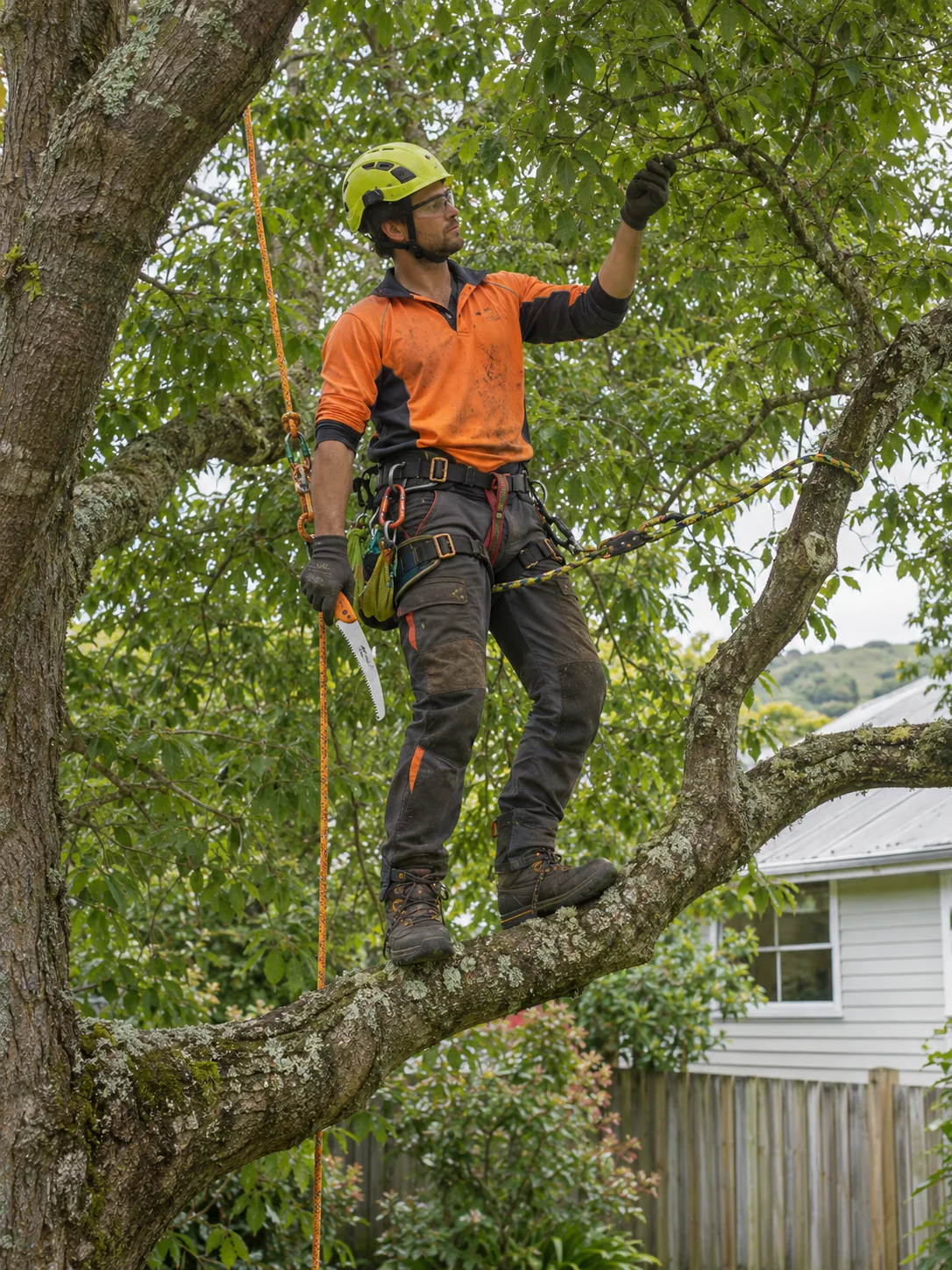
If your hedge is tall, overgrown, or growing near power lines, trimming becomes a safety issue. Working from a ladder with a hedge trimmer is risky, and reaching the top of a high hedge often requires specialist equipment. For large hedges or ones that have been neglected for years, it is sensible to bring in an arborist who has the right gear and experience.
For routine maintenance, many Gisborne homeowners find it easier to hire a local service. A professional team can trim your hedge on a regular schedule and keep it looking its best without you having to find the time or buy the equipment. Tree Removal Gisborne hedge trimming Gisborne is one local option that covers residential hedge care as part of its tree and garden services.
Watching for signs of trouble
While you trim, look for symptoms that might need a closer look. Yellowing leaves, patches of dead stems, or unusual growth patterns can indicate a pest or disease problem. In Gisborne, common hedge issues include powdery mildew on pittosporum, scale insects on camellia, and leaf miner on lilly pilly. If you spot these, adjust your trimming schedule to remove affected growth and improve airflow.
Root problems often show up as a thinning canopy or stunted growth. If your hedge is not responding to regular trimming and watering, the roots may be compacted, waterlogged, or damaged. That is worth investigating before you invest more time in trimming.
A note on native hedges
Native hedges like karo, koromiko, and New Zealand flax have their own growth habits. They tend to be less formal and can be trimmed less often. A trim after the main flowering period, usually in summer, is often enough. Native hedges also respond well to a harder prune every few years to rejuvenate them.
If you are unsure about the best schedule for your hedge, a local arborist can advise. For ongoing care, Tree Removal Gisborne hedge trimming Gisborne provides routine trimming services that take the guesswork out of the calendar.
Final practical tips
Keep a simple log. Note the date of each trim and a quick comment on the hedge's condition. After a couple of seasons, you will see a pattern and know exactly when your hedge is ready for the next cut.
Do not trim too late in autumn. A late trim can stimulate soft new growth that does not harden off before winter, making it vulnerable to cold damage. In Gisborne, aim to finish your last trim by mid-April.
Remember that a hedge is a long-term investment. Regular, moderate trimming keeps it healthy and attractive for years. A schedule that suits the species, the climate, and the look you want is the best approach. For most Gisborne hedges, that means trimming every six to eight weeks during the growing season, with a lighter hand in spring and autumn and a rest in winter.
Tree Removal Gisborne on social media
 Facebook